


Cardiovascular Surgery
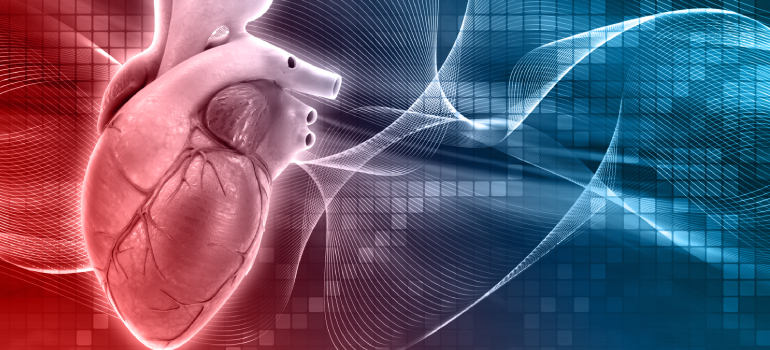
Cardiovascular surgery is a major branch of medicine that focuses on the diagnosis, treatment and surgical management of heart and vascular diseases. These conditions are among the most common health problems today and can significantly impact quality of life. Therefore, early diagnosis, proper treatment methods and regular follow-up are essential.
The heart and vascular system supply oxygen and nutrients to all organs. Any problem in this system may lead to symptoms such as chest pain, shortness of breath, fatigue or arrhythmia. If left untreated, these issues may result in life-threatening complications.
Varicose veins are one of the most common vascular conditions. They occur due to the enlargement and twisting of veins, especially in the legs. Although they may initially appear as a cosmetic concern, untreated varicose veins can cause pain, swelling, cramps, skin discoloration and ulcers. In more advanced cases, they may increase the risk of thrombosis, making treatment essential not only for appearance but also for circulatory health.
Thanks to modern medical techniques, both open surgery and minimally invasive methods achieve successful results in cardiovascular treatments. Laser therapy, radiofrequency, foam sclerotherapy and microsurgery are the leading methods used in varicose vein treatment.
Lifestyle changes also play a key role in protecting cardiovascular health. Regular exercise, balanced nutrition, reducing smoking and alcohol consumption, stress management and routine medical check-ups help prevent both heart diseases and vascular problems such as varicose veins.
In conclusion, cardiovascular surgery is a critical medical specialty. Varicose vein treatment is an essential part of maintaining circulatory health, preventing complications and improving quality of life. With early diagnosis and the right treatment approach, it is possible to protect both heart and vascular health.